Steaks — choosing, quality, and cooking
What actually matters in cut, marbling, aging, and cooking — practical orientation for carnivore and animal-based eaters, without the marketing.
This article contains affiliate links (ad). Details under Transparency.
Auf einen Blick
- Marbling and enough thickness matter more for flavor and juiciness than the name of the cut.
- Dry or wet aging both change texture and taste. Either can be excellent if the starting meat is good.
- Simple cooking in the steak’s own fat beats complicated marinades and seed oils.
- Not every steak needs to be premium dry-aged.
What this is about
For a lot of people, steak is the carnivore meal. The word still covers a huge range — from a thin, lean supermarket slice to a thick, heavily marbled, dry-aged ribeye. Knowing what actually matters saves money and disappointment.
This is not steakhouse romance and not a science review. It is a practical checklist for what makes the difference in real kitchens. Some of the details look small. They add up fast.
The quality factors that actually matter
Marbling (intramuscular fat)
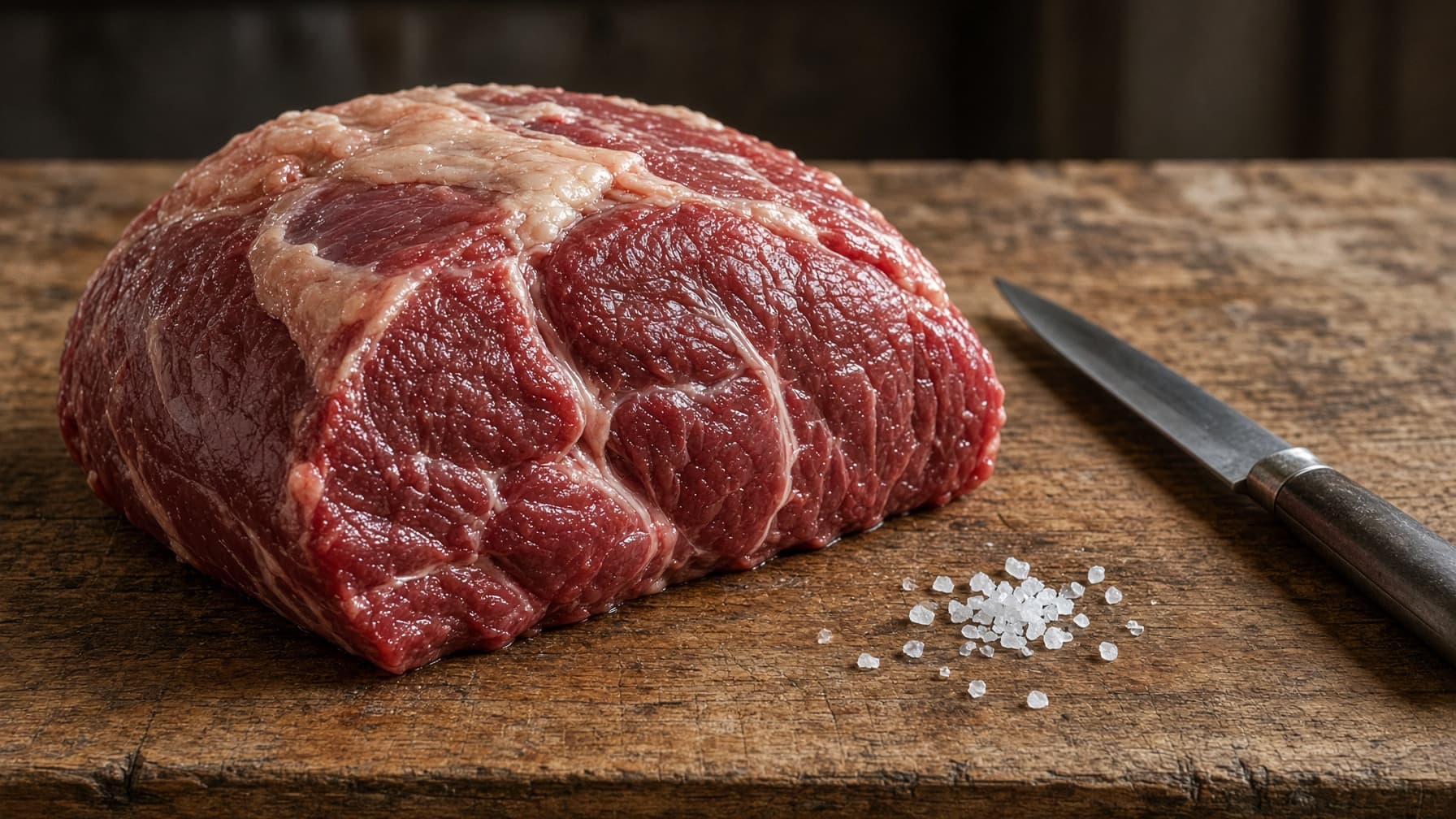
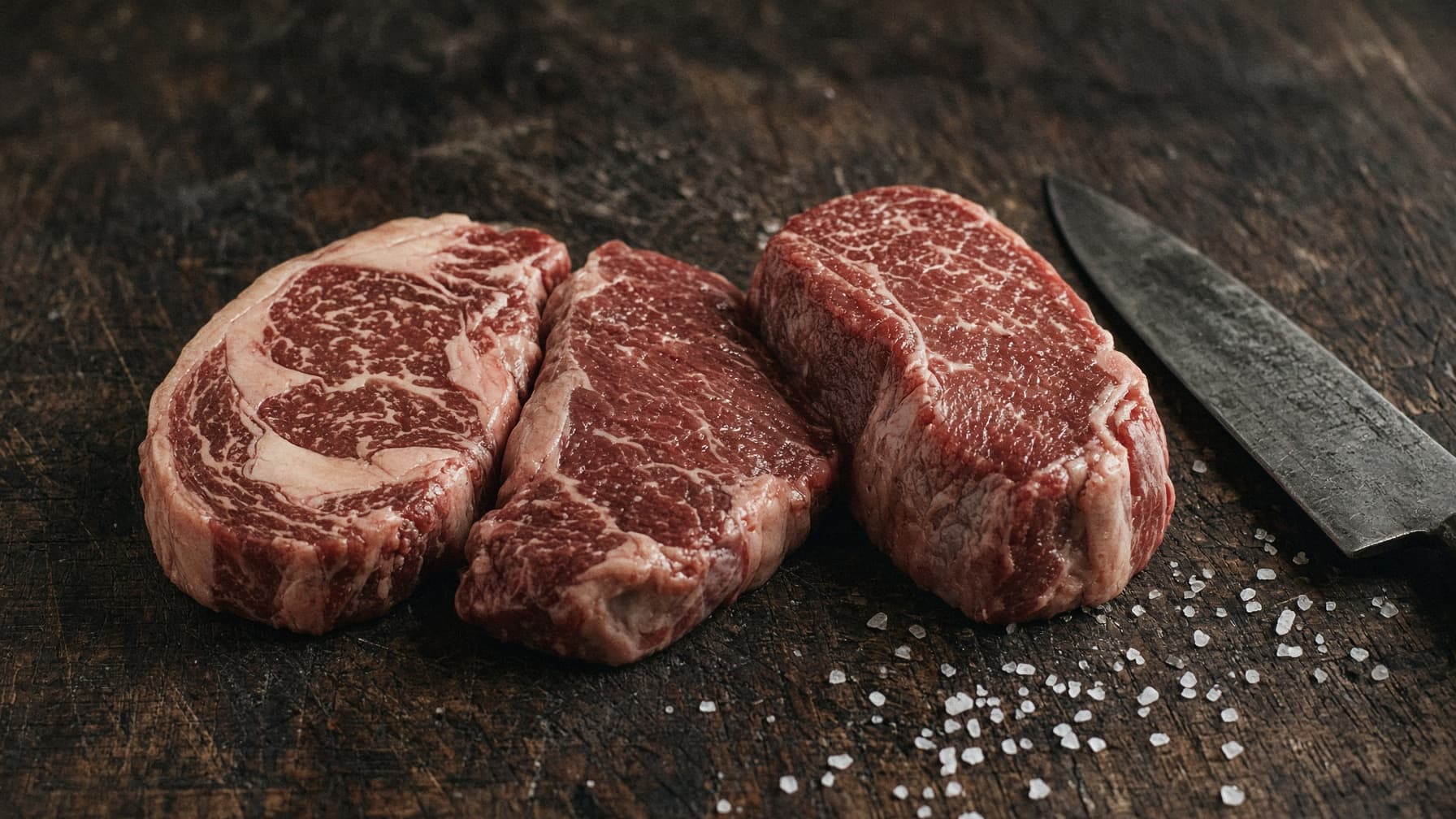
The fine web of fat inside the muscle drives juiciness, flavor, and mouthfeel. A lean tenderloin can be tender and still dry out the moment you cook it too hard or too long. Well-marbled meat — a good ribeye or entrecôte — is more forgiving and carries more energy. In a carnivore logic, that is a feature.
Rule of thumb: visible, even intramuscular fat beats a clean muscle with no fat seams when taste and everyday cooking matter. Eat the two side by side once and you will not need a lecture.
Thickness
Below about 2–2.5 cm (roughly an inch), controlled cooking is hard. The outside goes too dark while the inside is already done. Thicker cuts (3 cm / a bit over an inch and up) let you build a proper crust and still keep a pink or red center if that is what you want. For beginners, 3–4 cm is often kinder because it leaves more room for error.
Cut
Ribeye, entrecôte, or standing rib: heavily marbled and bold. Good for flavor, fat, and forgiveness.
Strip, rump, or roast beef: firmer and often a bit leaner. A clean bite and a decent balance.
Filet or tenderloin: very tender, little fat, and therefore little depth of flavor.
T-bone or porterhouse: tenderloin and strip on one bone — variety on a plate.
Chuck-eye and other shoulder-adjacent pieces: cheaper, and surprisingly good when you pick well. Strong value.
Flank, skirt, or hanger: fibrous and aromatic. Inexpensive; slice against the grain.
The best cut is the one that fits budget, availability, and the fat level you want — not the most expensive name. Some cheap pieces beat expensive filets when the marbling is right.
Aging
Wet aging in vacuum makes the meat softer; the flavor stays relatively mild. That is the trade default.
Dry aging under controlled air drying loses moisture, concentrates a nuttier flavor, and often gives a firmer crust. It costs more and is not everywhere.
Either can be excellent. Dry-aged is not an automatic quality stamp on mediocre starting meat. Good wet-aged beef from a solid source is often all you need.
Origin and husbandry
The longer version lives in sourcing and quality. Short version: do not buy unnecessary promises. Traceable origin plus visible marbling beats a marketing story.
Cooking — the basics that count
Take the meat out of the fridge and let it lose some of the chill. Ice-cold into a ripping pan cooks unevenly.
Salt generously, but not hours ahead unless you are deliberately dry-brining. Plain salt and optional pepper are enough. Premixed rubs and seed oils hand the controls away.
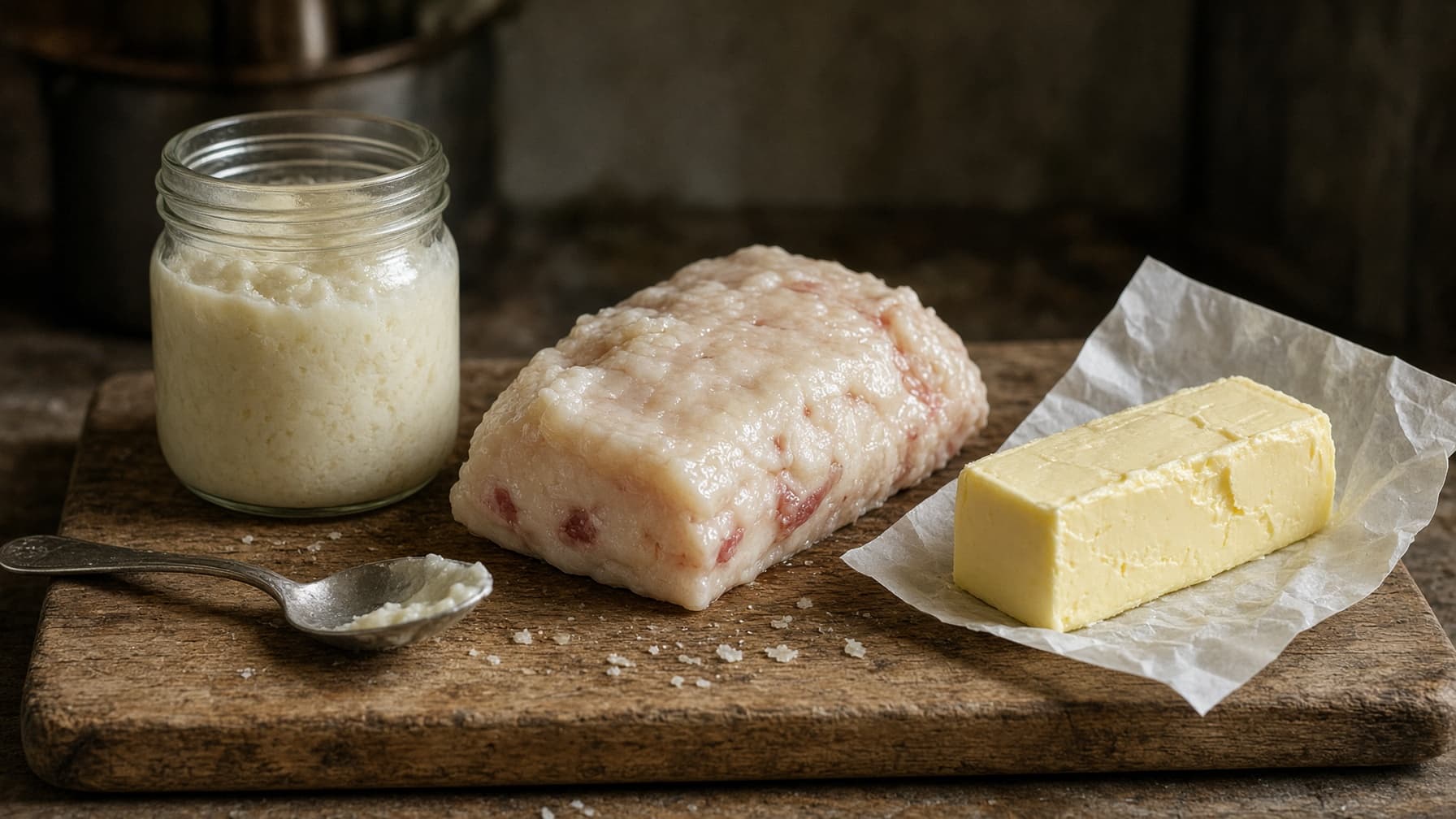
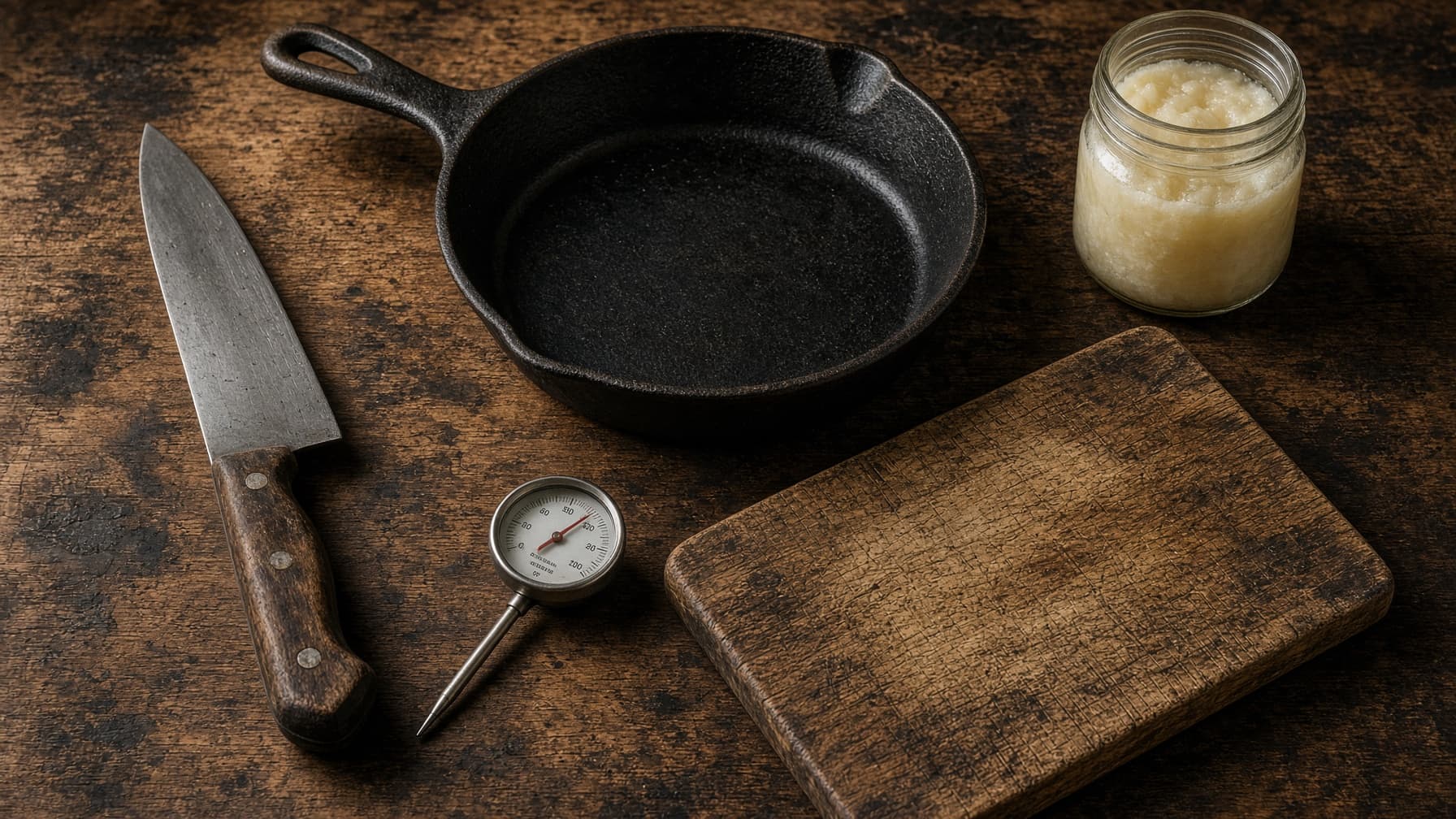
Hot pan or grill, a good fat (tallow, butter, or ghee). Do not keep pressing and flipping. Once or twice is usually enough.
Rest it after cooking. Cutting immediately dumps the juices. Anyone who has done that once notices the difference.
Typical mistakes
- Buying something too thin and then wondering why it is dry.
- Treating a lean filet like a fatty ribeye — or the reverse.
- Fridge-cold meat into a screaming pan.
- Constant pressing and flipping.
- Giving up control to seed oils and premixed rubs, then losing the juices by slicing too soon.
Budget and everyday eating
Not every dinner needs dry-aged ribeye. Save thicker, well-marbled pieces for fewer, more deliberate meals. Cheaper cuts (chuck, shoulder, good mince) for the week. Ask the butcher for a short-cook piece and look at the marbling yourself. Buy larger and portion at home. Eat the fat, or render it as tallow.
Enough fat plus a sane selection beats hunting the one perfect steak. That is where a lot of people spend too much money and attention while the basics would already have been enough.
A buying checklist
- Is the marbling visible and even?
- Is the piece thick enough for how you plan to cook it?
- Do you know the cut and what to expect from it?
- Did it arrive without an unnecessary marinade or oil slick?
- Does the price match the job it has in the overall pattern?
Where this sits
Steak is filling and weekday-viable — if you choose with a brain and do not cook it to death. The levers are marbling, thickness, simple fat, and restraint with extras. Everything else is optimization.
Further reading
Sources
- Editorial practice and standard butcher/kitchen knowledge on cuts, aging, and heat
This content is general information. It is not medical, dietetic, or diagnostic advice. This article contains affiliate links (ad). Details: Transparency.