Shopping carnivore on a budget
How carnivore and animal-based eating stay affordable: supermarket meat, a butcher when it helps, organs, leftovers — without prices that expire tomorrow.
At a glance
- Ordinary beef, visible fat, and using leftovers beat the first pasture subscription.
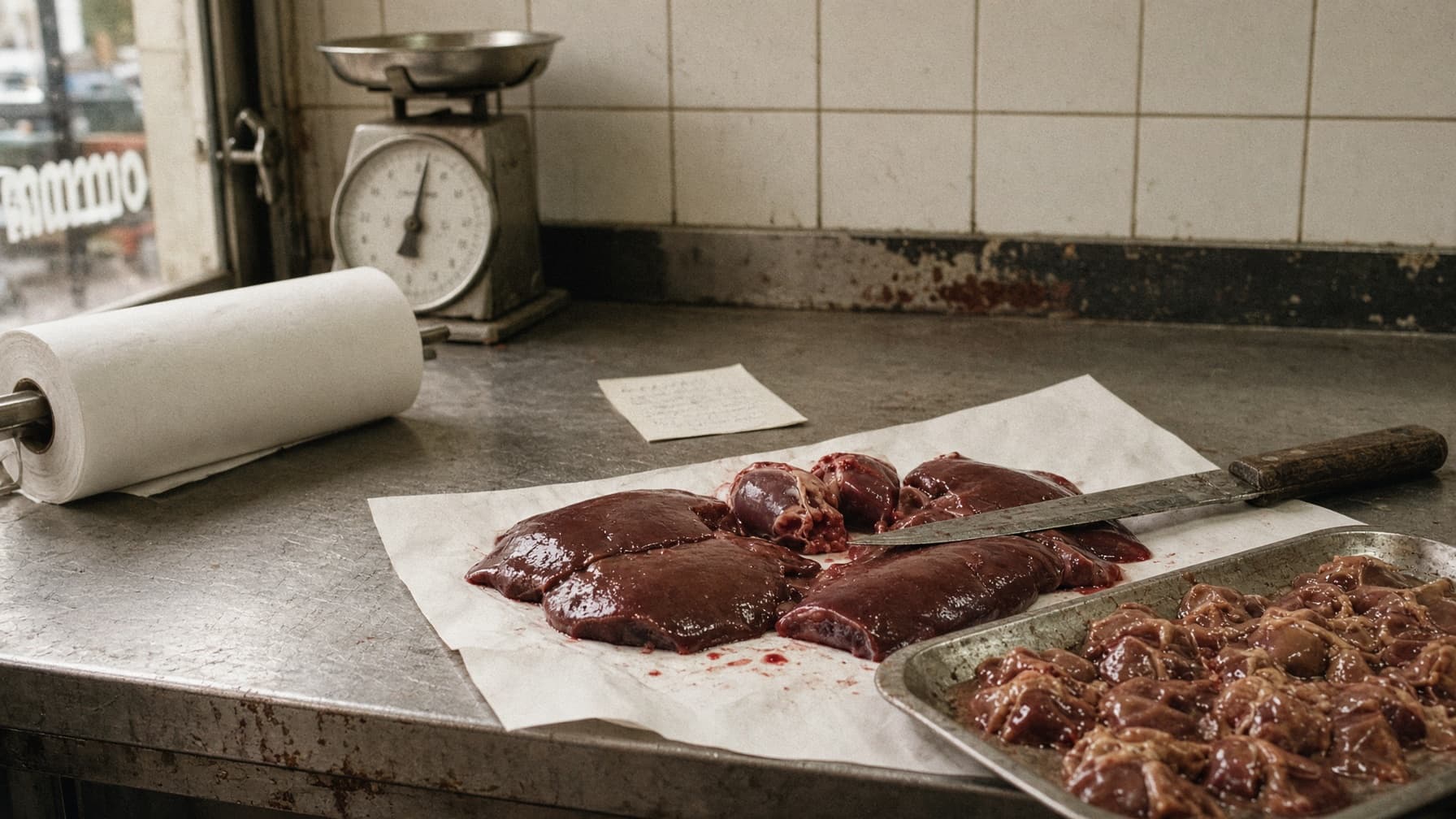
- Organs are unevenly stocked. A butcher, a market, and a freezer beat the Sunday night aisle.
- Pasture and organic are quality and husbandry questions, not an entry ticket.
- Comparing kilos of ready meals is the wrong unit. Energy plus satiety per unit of money is the right one.
The expensive story and the cheap practice
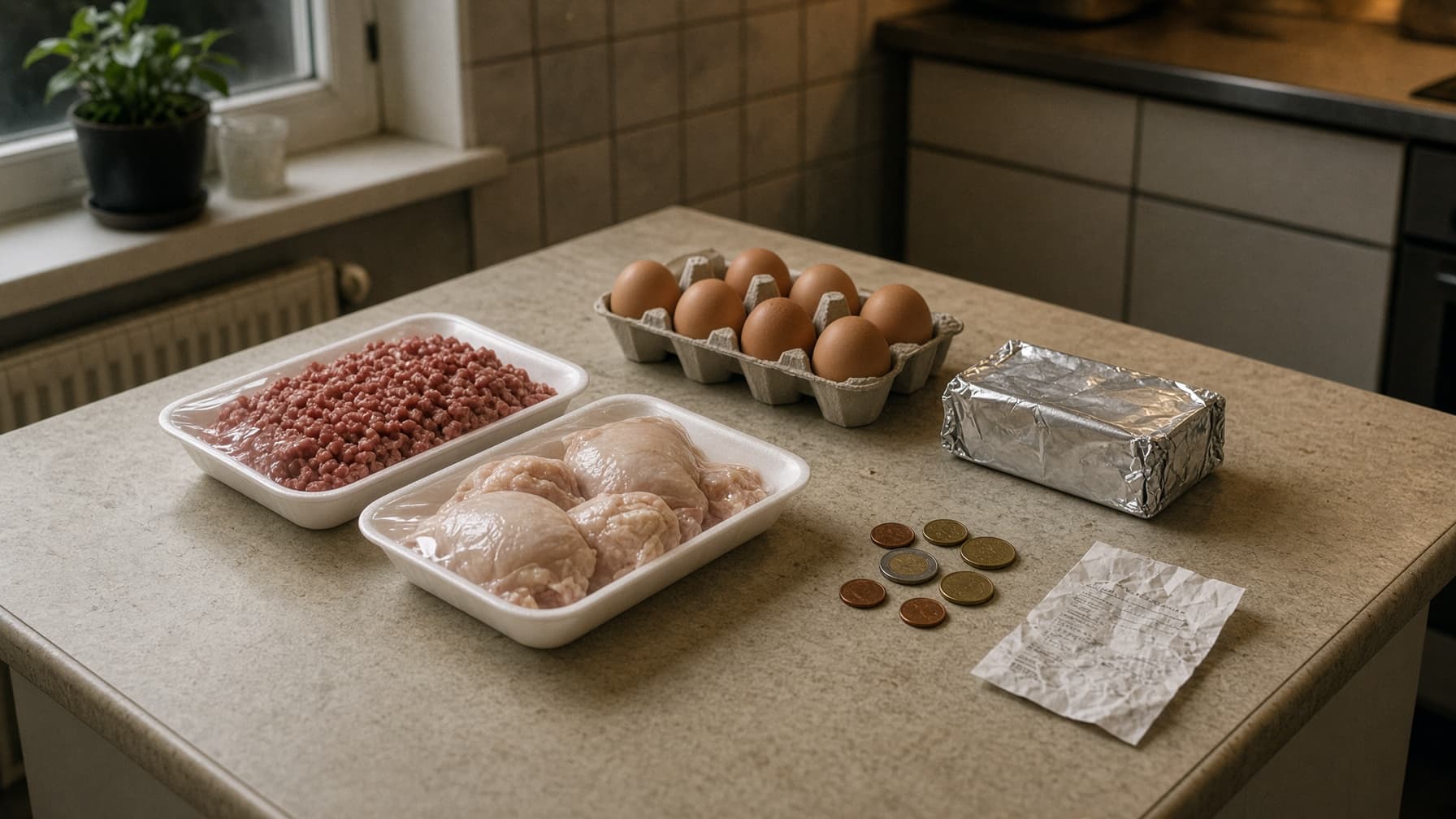
On social media, carnivore looks like dry-aged ribeye, imported tallow, and a second salary. In most kitchens, more often: mince, braising cuts, eggs, butter, salt. Both can share a macro logic. Only one of them is repeatable for most households.
The weekday layer sits next to sourcing and quality. Quality still matters. It is rarely why someone quits in week two. Money and availability are, more often.
What actually drives cost
Cut, not brand. Tenderloin and dry-aged cost multiples of chuck, brisket, shank, or fatty mince. For energy and satiety, the expensive cut is often worse.
Fat. Extra-lean “fitness mince” forces you to buy fat separately — or under-eat. Mince with visible fat is usually the cheaper energy currency.
Convenience. Pre-cut trays, marinades, and restaurants blow any per-kilo budget.
Waste. Leftovers nobody eats are the silent surcharge. Anyone who covers the week with mince, cheap braising cuts, and eggs, and parks the ribeye on the weekend, is closer to a normal meat household than to an influencer cart.
Supermarket, butcher, pasture
A normal supermarket is enough to start. A butcher or a meat counter is worth it for organs, tallow, and better cuts on order. Pasture and organic are upgrades when money and supply allow — not a requirement for the first weeks.
Which banner is on the building matters less than: visible fat, little marinade, little sugar, leftovers you will actually eat.
Starter list
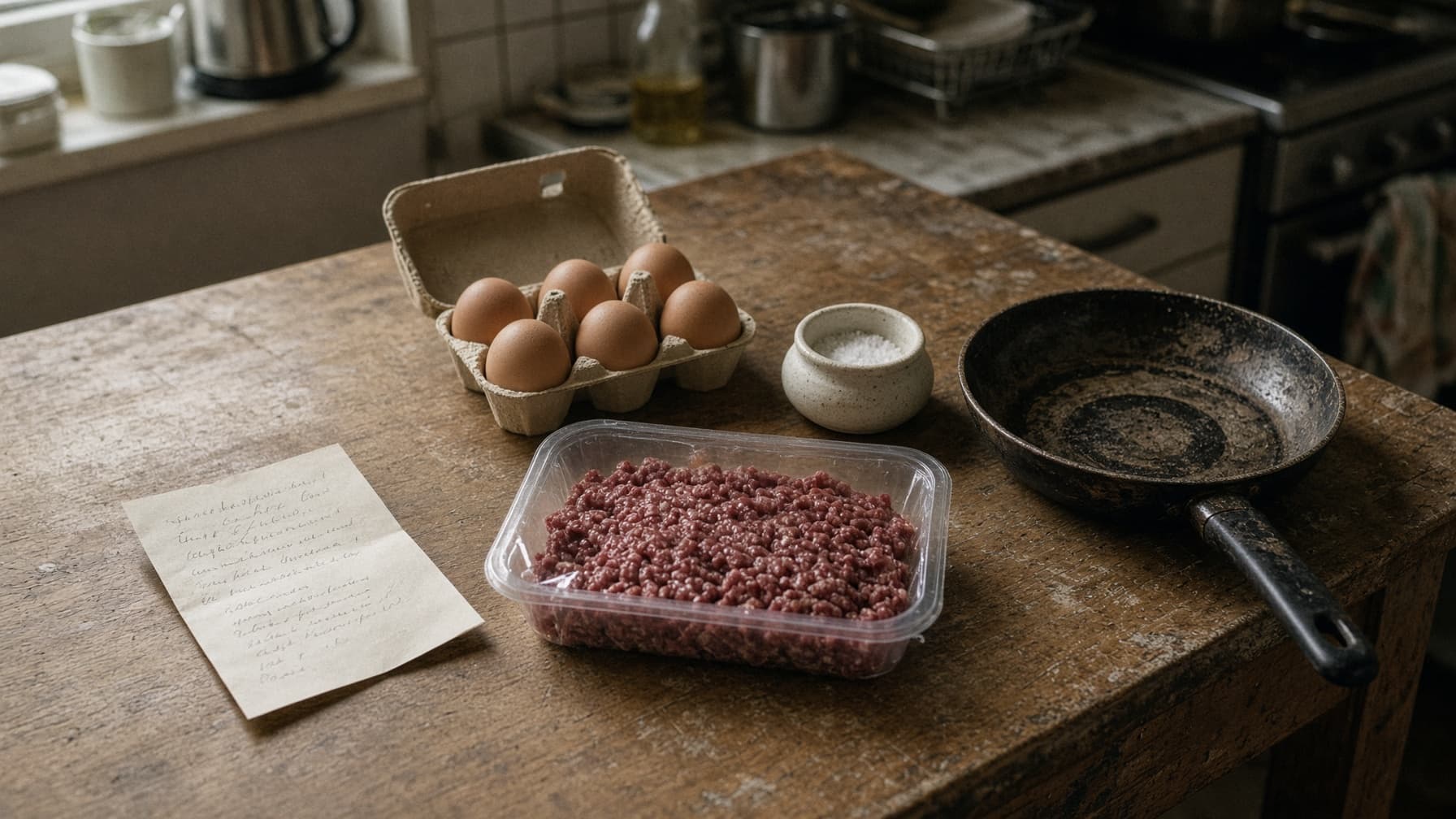
Beef mince with visible fat. Cheap braising cuts (chuck, brisket, shank). Eggs. Butter or tallow. Salt. That is enough to begin.
Further reading
Sources
- Editorial observation 2026, not a representative survey
- Sourcing and quality articles on this site
This content is general information. It is not medical, dietetic, or diagnostic advice.